
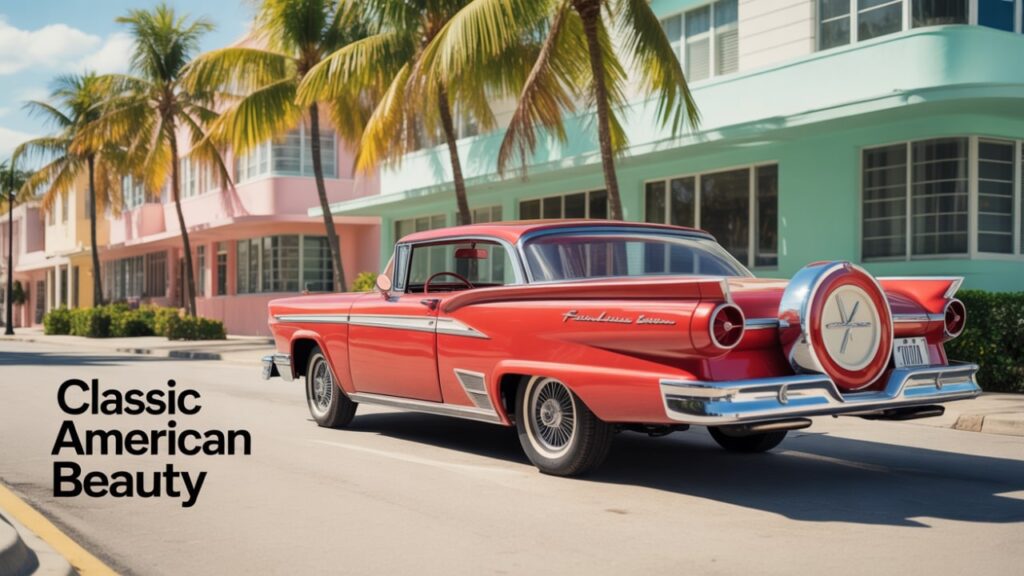

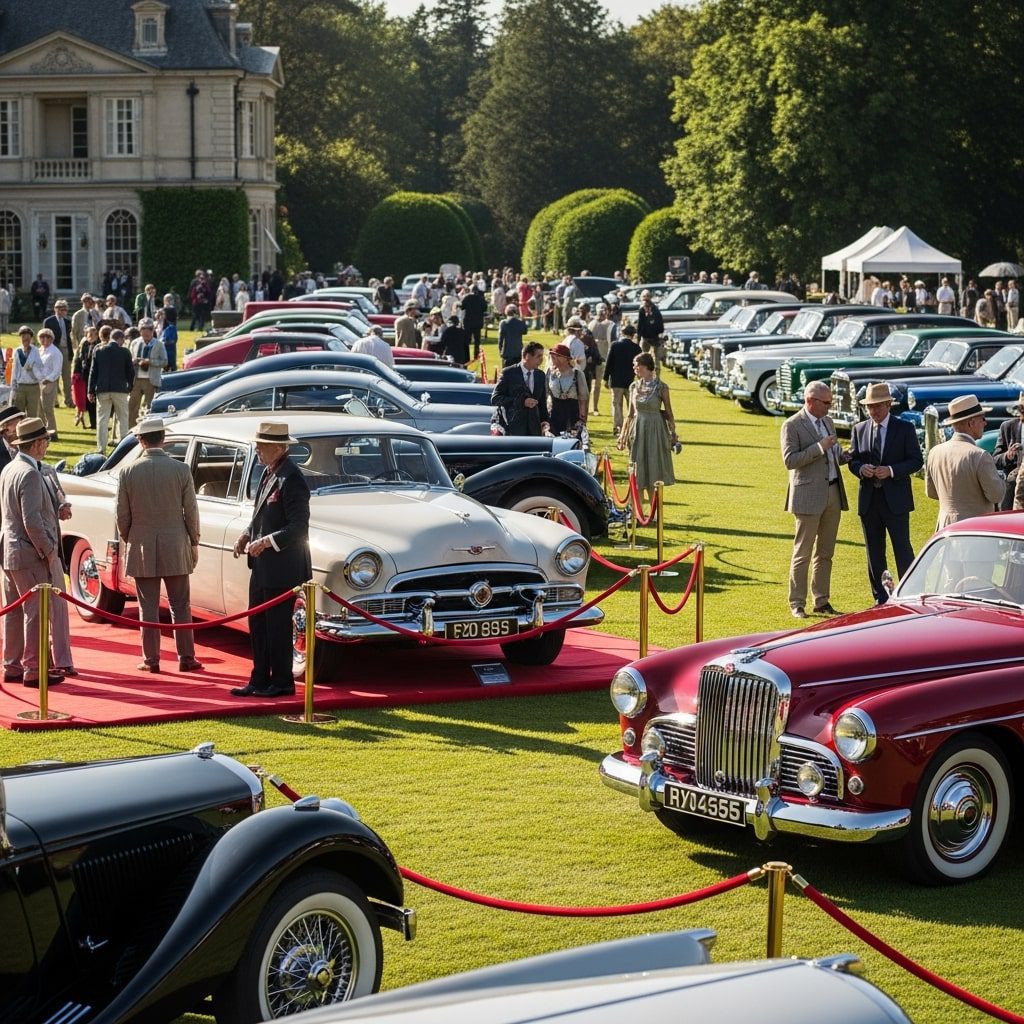
I’ll never forget the first time I saw a Ford Fairlane 500 Skyliner. I was at a local car show, and this striking blue 1957 Ford Fairlane 500 retractable Skyliner slowly drove past with its roof folding neatly into the trunk. People stopped mid-sentence just to watch it transform. That moment made me want to know everything about this rare car.
In this article, I’ll walk you through the history, mechanics, and timeless appeal of the Ford Fairlane Skyliner 500, why collectors love it, and what makes it stand out among other 1950s Fords.
Table of Contents
What Is the Ford Fairlane 500 Skyliner?
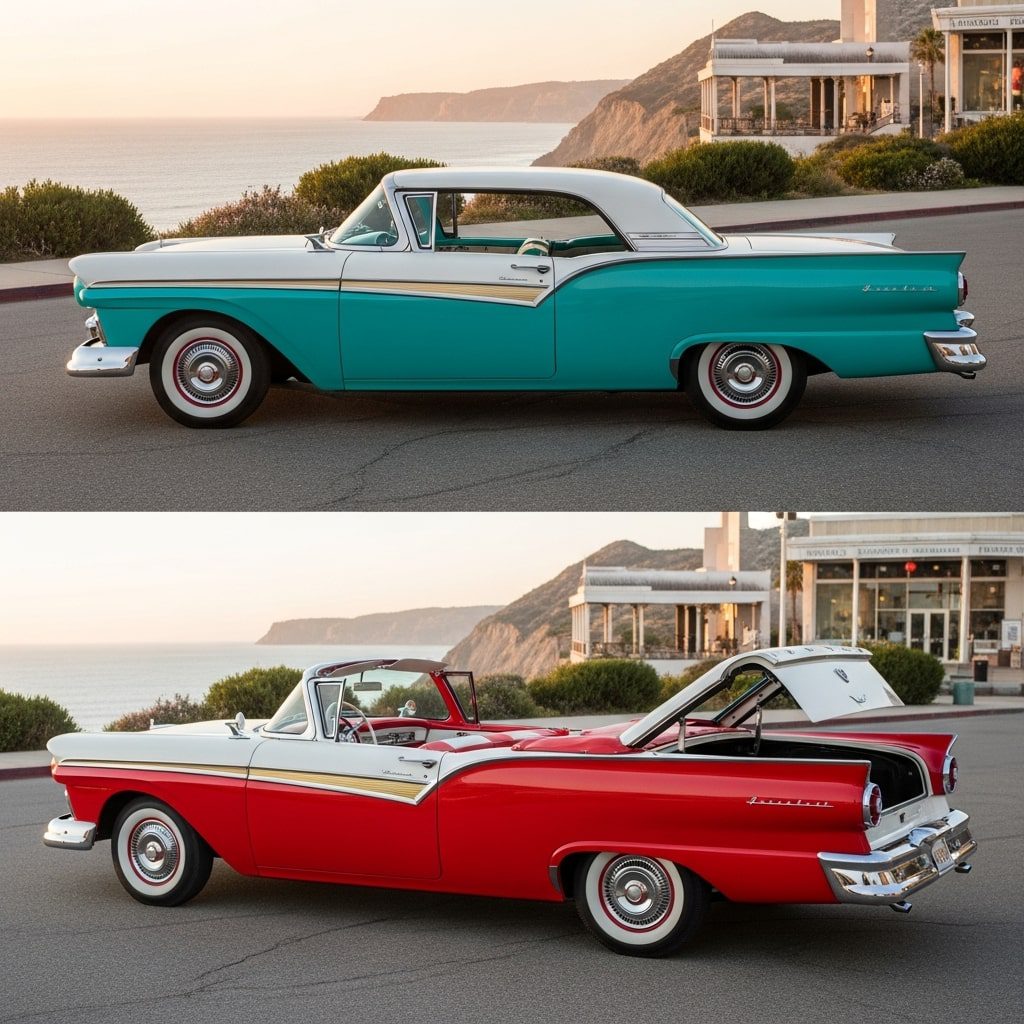
The Ford Fairlane 500 Skyliner was a special variant of the Fairlane lineup produced in the late 1950s. What set it apart was its retractable hardtop which was advanced during its time. While most cars were either convertibles or hardtops, this car offered the best of both worlds.
- Years produced: 1957, 1958, 1959
- Nickname: Skyliner or retractable skyliner
- Special feature: Retractable hardtop roof
- Series: Fairlane 500
This was not an ordinary Ford Sunliner. The Skyliner was the tech showcase at a time when automotive gadgets were rare. Even today this skyliner car still gets attention because of how dramatic and complex the mechanism was.
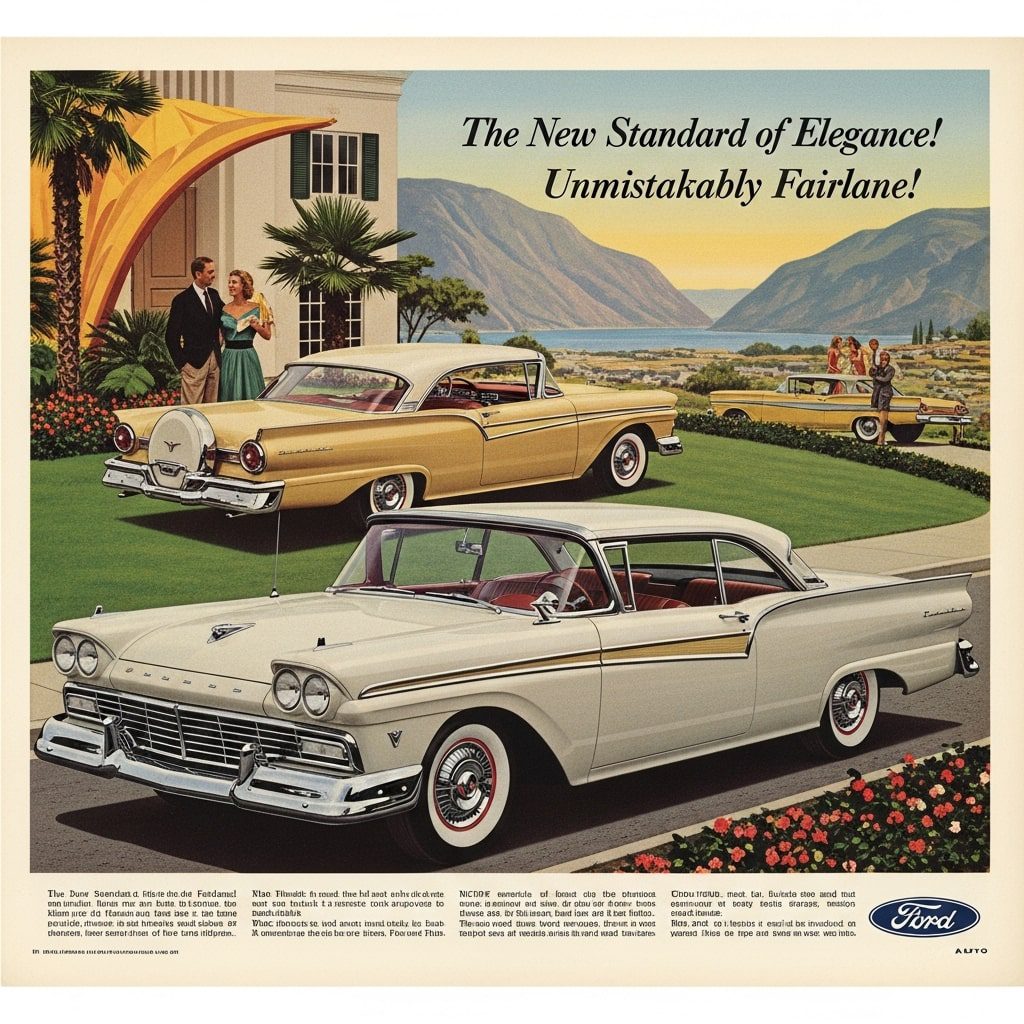
1957 Ford Fairlane 500 Skyliner: The Pioneer
The 1957 Ford Fairlane 500 Skyliner was the first year this retractable hardtop appeared. It was a marvel then and still turns heads now. This model is often referred to as the Ford Fairlane 500 Skyliner 1957 or 57 Ford Fairlane 500 Skyliner.
Why the 1957 Model Matters
- First retractable hardtop in its class
- Complex electro-hydraulic roof system
- High production cost led to limited sales
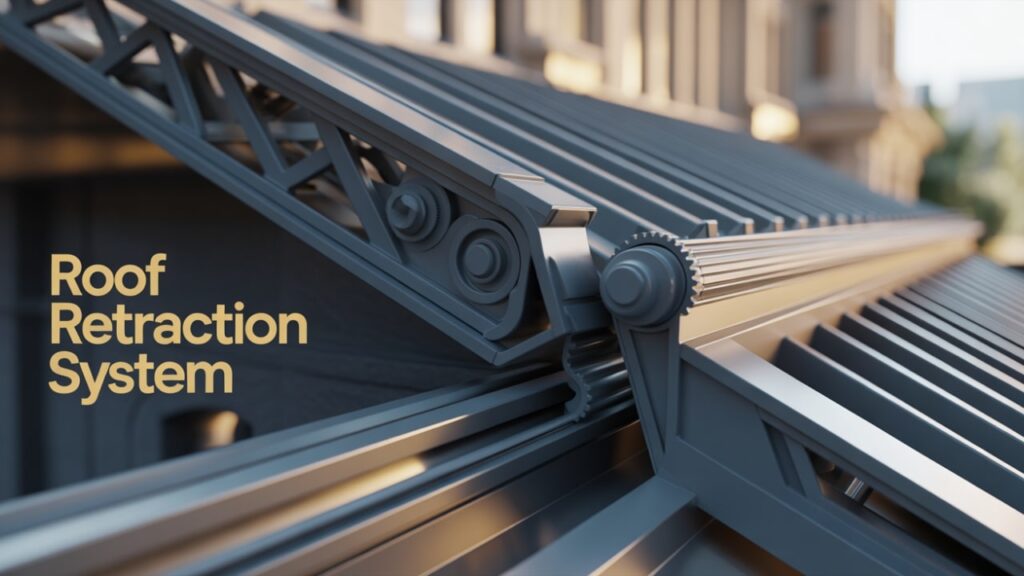
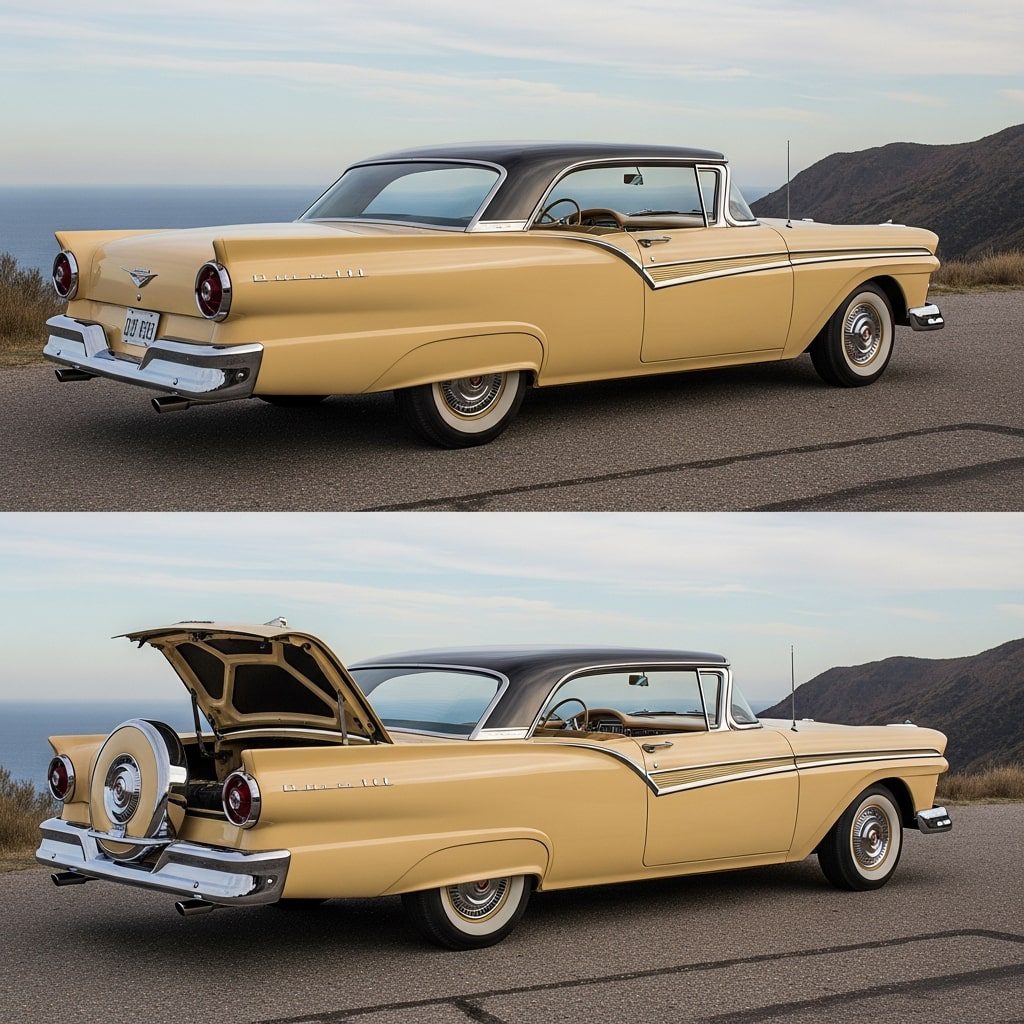
In 1957, Ford wasn’t kidding when it designed the retractable system. The roof folded in multiple sections and was stored in the trunk. It was bulky and heavy, requiring pumps, valves, and switches to control it. That complexity is part of why examples of the 1957 Ford Fairlane 500 retractable Skyliner are prized by collectors today.
1958 Ford Fairlane 500 Skyliner: Refinement and Rarity
In 1958, Ford continued the Skyliner line with minor updates. The 1958 Ford Fairlane 500 Skyliner reflected the company’s attempt to improve reliability and appeal.
Highlights for 1958:
- Slight styling refresh
- Same retractable hardtop system
- Lower production numbers compared to 1957
Many enthusiasts refer to this simply as the Ford Fairlane 500 Skyliner 1958 or 58 Ford Fairlane. Because of the technological complexity, fewer have survived in original condition, making well-preserved examples particularly valuable.
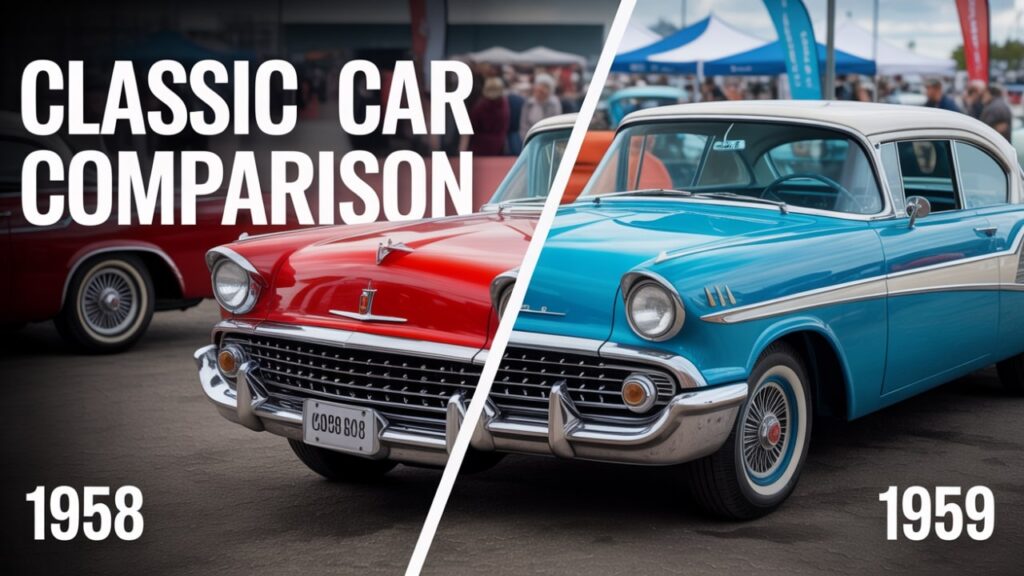
1959 Ford Fairlane 500 Skyliner: The Final Year
The 1959 Ford Fairlane 500 Skyliner closed out the Skyliner era. That year, Ford offered a sleeker body style and updated trim, fitting the evolving automotive tastes of the late 50s.
Key 1959 features:
- New grille and taillight design
- Slightly improved durability in retractable mechanism
- Production ended after this model year
This model is often compared with the 1959 Ford Fairlane convertible and other 50s Ford models for styling and performance.
Ford Skyliner vs. Ford Sunliner: Quick Comparison
Many people new to classic cars ask about the difference between the Ford Skyliner and the Ford Sunliner. Both are 50s Fords, but they serve different tastes.
| Feature | Ford Fairlane 500 Skyliner | Ford Sunliner |
| Roof Type | Retractable hardtop | Standard convertible |
| Complexity | Highly complex | Simple convertible |
| Rarity | Very rare | Less rare |
| Collector Value | High | Moderate |
| Body Years | 1957-1959 | Multiple 50s years |
Seeing the Skyliner hardtop retract is a different experience from a soft top dropping on a Sunliner. That’s why the Fairlane 500 Skyliner stands apart in 50s automotive history.
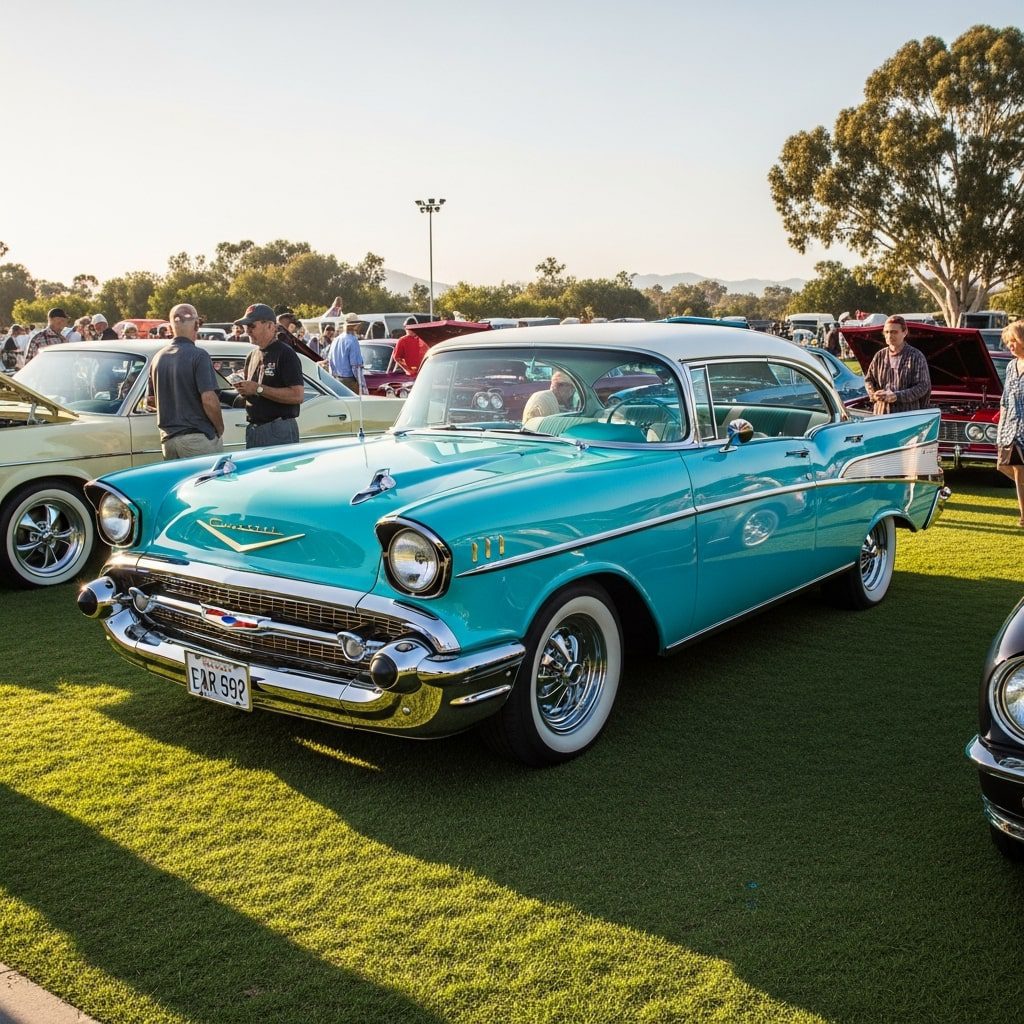
Where Does the Ford Fairlane 500 Skyliner Fit in 50s Ford History?
The 1950s were a golden age for Ford. The automaker was pushing design boundaries, especially with stylish models like the 1958 Ford Fairlane Skyliner, the sleek hardtop coupes, and even performance variations that led to the muscle car era.
The Fairlane name appeared in many forms, including:
- 1957 Ford Fairlane convertible
- 58 Ford Fairlane hardtop
- 1959 Ford Fairlane convertible
Yet the retractable roof of the Fairlane 500 Skyliner is its most iconic innovation from that decade.
My Experience With a Ford Fairlane 500 Skyliner
I got the chance to work on a 57 Ford Fairlane 500 Skyliner at a weekend restoration event. It wasn’t a perfect car. The roof mechanism had seized from age. Watching the retractable setup slowly come back to life after cleaning, greasing, and careful hydraulic adjustments was unforgettable.
Once the roof moved again, rising and folding with precise timing, the crowd’s reaction made it clear why people fell for this car. It’s not just nostalgia. It’s an engineering wonder and personality.
That day made me appreciate how ambitious Ford was in the 1950s. They didn’t just build cars. They built dreams that moved and folded on command.
Why the Retractable Roof Was So Challenging
The retractable mechanism was ahead of its time, but it came with downsides:
Complexity
The roof used multiple electric motors, hydraulic pumps, relays, and linkages. Each part had to work perfectly for reliable operation.
Weight
The extra hardware added weight, which affected performance and fuel economy.
Maintenance
Many skyliners today suffer from rusted mechanisms because replacement parts are rare.
Yet, all of that complexity is part of the reason the Ford Fairlane Skyliner 500 becomes such a cherished classic.
Performance and Engines in the Skyliner Era
Most Skyliners rode on the same powertrains found in other Fairlanes:
- V8 engines with various displacements
- Strong low-end torque typical of 50s cruising cars
- Smooth ride suited for long drives
Power figures varied by year and option, but the emphasis was comfort and style more than raw speed.
How Rare Is the Ford Fairlane 500 Skyliner Today?
These cars were never mass produced. Combined production for all three years numbers in the tens of thousands, not hundreds of thousands.
Still, survival rates are low. Many cars were scrapped when the complex roof gave up. Today, restored versions fetch strong prices at auctions and private sales.
How the Ford Fairlane 500 Skyliner Stands Out
When you ask car lovers about 50s classics, the Ford Fairlane 500 Skyliner usually gets special mention because:
- It was one of the first retractable hardtop cars
- Its mechanism was advanced for the era
- It looks stylish and retro even by today’s standards
That’s why the Fairlane name still commands respect in the classic world.
Ford Fairlane 500 Skyliner: Key Models at a Glance
| Year | Roof Type | Distinctive Feature |
| 1957 | Retractable hardtop | First year of production |
| 1958 | Retractable hardtop | Refined styling |
| 1959 | Retractable hardtop | Final production year |
This simple chart helps you see the evolution from year to year.
Collector Value and Cultural Significance
The Ford Fairlane 500 Skyliner isn’t just about mechanics. It represents the optimism of the 1950s, a time when designers took risks and buyers appreciated it.
These cars often appear in:
- Classic car shows
- Period films
- Collectors garages
They help tell the story of American post-war automotive evolution.
Where to See a Ford Fairlane 500 Skyliner Today
To see one in real life, check out:
- Local classic car shows
- Specialty auctions (e.g., Barrett-Jackson, Mecum)
- Classic car museums and vintage events
These venues often bring out rare examples that are fully restored.
Conclusion
The Ford Fairlane 500 Skyliner is more than a 50s Ford with a fancy roof. It’s a symbol of bold engineering and timeless style. Whether you love classic cars or just appreciate innovation, the Skyliner deserves attention not only for its retractable hardtop but also for representing a period when the auto industry embraced imagination.